
Blog
-
Puerto Rico’s Water Crisis: A Legacy of the PNP and PPD Mismanagement
Posted by Ivan Ramos · August 15, 2026 3:53 PM
On June 10, 2026, the Puerto Rican Independence Party (PIP) held a press conference to present a concrete short- and medium-term agenda to effectively address Puerto Rico’s water crisis. More than two months later, their proposal has been ignored by the ruling New Progressive Party (PNP) and the Popular Democratic Party (PPD).
-
El fracaso de PROMESA y la inviabilidad del modelo colonial
Posted by Maximino Rivera Lopez · July 01, 2026 1:21 PM

Por Maximino Rivera López, Presidente Comité de la Diáspora del PIP
La cobertura mediática en torno al décimo aniversario de la Ley PROMESA ha estado saturada de debates sobre los "legados mixtos", los recortes a la deuda y la persistente tutela de la Junta de Supervisión Fiscal (JSF). Sin embargo, la inmensa mayoría de esta cobertura adolece de una omisión monumental: la negativa a reconocer abiertamente que, de acuerdo con los datos disponibles, PROMESA ha fracasado.
-
Manual Sobre la Independencia de Puerto Rico
Posted by Ivan Ramos · June 27, 2026 10:21 PM
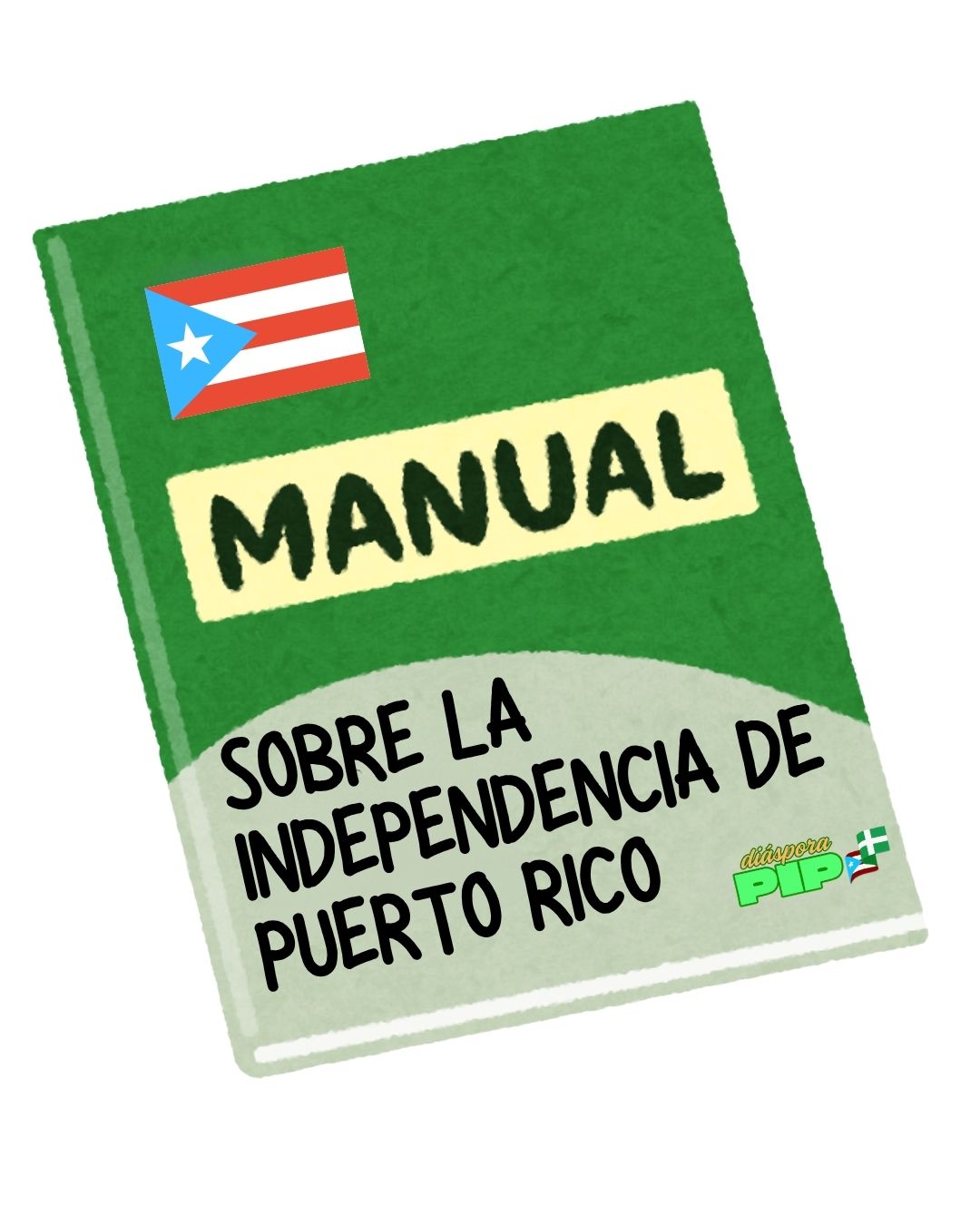 ¿Tienes poco tiempo pero quieres conocer las razones de la lucha por la independencia de Puerto Rico? Este manual en formato audio/video es para ti. El “Manual Sobre la Independencia de Puerto Rico” te brinda la información esencial de manera clara y directa, sin rodeos ni largas lecturas. Es perfecto si tienes una agenda ocupada o si apenas empiezas a pensar que tu patria merece ser libre. Aquí encontrarás los puntos clave y los motivos principales por los que la independencia es necesaria para Puerto Rico.
ESCUCHA EL MANUAL AQUÍ

IMPRIME EL "MINI ZINE" DEL MANUAL AQUÍ
-
Ponencia de Diáspora PIP ante el Comité de Descolonización de la ONU
Posted by Maximino Rivera Lopez · June 23, 2026 10:37 PM
Scroll Down for English Version
El 22 de junio del 2026 el Presidente de Diáspora PIP, Maximino Rivera López, compareció ante el Comité Especial de Descolonización de las Naciones Unidas para expresarse sobre el caso colonial de Puerto Rico. En esta vista también compareció Adrián González Costa, Senador del PIP y Secretario de Organización del Partido.

Ponencia de Maximino Rivera López, Presidente de Diáspora PIP:
Señor Presidente y distinguidos miembros del Comité Especial de Descolonización de las Naciones Unidas. Comparezco ante ustedes en representación de nuestra nación y en mi calidad de presidente del Comité de la Diáspora del Partido Independentista Puertorriqueño (DPIP).
Durante más de 125 años, Puerto Rico ha estado sometido al dominio colonial de los Estados Unidos, padeciendo un estatus político que es a todas luces intolerable e incompatible con los principios más básicos de la democracia y los derechos humanos. El Congreso estadounidense continúa ejerciendo poderes plenarios sobre nuestra nación, dictando nuestras leyes, controlando nuestro comercio internacional y bloqueando nuestro desarrollo pleno. El mito del llamado autogobierno del Estado Libre Asociado ha quedado completamente desenmascarado, tanto por las decisiones del propio Tribunal Supremo estadounidense en el caso Sánchez Valle, como por la imposición de la Ley PROMESA por parte del Congreso.
A través de esa nefasta ley, Estados Unidos impuso una Junta de Control Fiscal dictatorial, no electa por el pueblo puertorriqueño, que opera como una agencia de cobro para enriquecer a los fondos buitres de Wall Street a costa de imponer medidas de austeridad devastadoras. Bajo este yugo colonial, el ingreso familiar promedio en Puerto Rico se ha estancado en apenas $25,000 anuales, apenas una tercera parte del promedio estadounidense. Esta profunda crisis económica y social ha provocado un éxodo masivo, obligando a cientos de miles de compatriotas a abandonar su tierra en busca de supervivencia, engrosando las filas de la diáspora que hoy represento.
Reconocemos y agradecemos que desde el año 1972, este Comité Especial ha emitido resoluciones anuales reafirmando ininterrumpidamente el derecho inalienable del pueblo de Puerto Rico a la libre determinación y a la independencia. Sin embargo, la persistencia de esta indignante paradoja imperial exige que vayamos un paso más allá. No basta con declaraciones; es imperativo que la comunidad internacional intensifique la presión diplomática sobre los Estados Unidos.
Nuestro país no puede seguir siendo tratado como un territorio donde el consentimiento de los gobernados es nulo y la ciudadanía se utiliza como disfraz de subordinación. Mantener colonias en el Caribe en pleno siglo XXI es una mancha moral para cualquier nación que se autoproclame defensora del mundo libre.
Por lo tanto, reclamamos la intervención directa y enérgica de las Naciones Unidas para exigirle al gobierno de Estados Unidos que asuma su responsabilidad histórica, moral y legal. Debe obligarse a la potencia administradora a viabilizar un verdadero proceso de descolonización, garantizando una transición ordenada hacia la independencia como la única solución legítima, no territorial y democrática.
Desde la diáspora, no descansaremos hasta ver a nuestra nación libre, pues sabemos que la lucha por la soberanía nacional no es solo el camino hacia un desarrollo económico sustentable, sino un imperativo ético y una exigencia fundamental de la dignidad humana.
Muchas gracias.______________________________________________________________
English Version
Diaspora PIP's Presentation before the UN Decolonization Committee
On June 22, 2026, the President of Diaspora PIP, Maximino Rivera López, appeared before the United Nations Special Committee on Decolonization to speak on the colonial case of Puerto Rico. In this hearing, Adrián González Costa, PIP Senator and Party Organization Secretary, also appeared.
Presentation by Maximino Rivera López, President of Diáspora PIP:
Mr. President and distinguished members of the United Nations Special Committee on Decolonization. I appear before you representing our nation and in my capacity as president of the Diaspora Committee of the Puerto Rican Independence Party (DPIP).
For more than 125 years, Puerto Rico has been subjected to the colonial rule of the United States, suffering a political status that is clearly intolerable and incompatible with the most basic principles of democracy and human rights. The U.S. Congress continues to exercise plenary powers over our nation, dictating our laws, controlling our international trade, and blocking our full development. The myth of the so-called self-government of the Commonwealth has been completely unmasked, both by the decisions of the U.S. Supreme Court in the Sánchez Valle case and by the imposition of the PROMESA Act by Congress.
Thru that nefarious law, the United States imposed a dictatorial Fiscal Control Board, not elected by the Puerto Rican people, which operates as a collection agency to enrich Wall Street hedge funds at the cost of imposing devastating austerity measures. Under this colonial yoke, the average household income in Puerto Rico has stagnated at just $25,000 annually, barely a third of the U.S. average. This profound economic and social crisis has caused a massive exodus, forcing hundreds of thousands of compatriots to leave their land in search of survival, swelling the ranks of the diaspora that I now represent.
We recognize and appreciate that since 1972, this Special Committee has issued annual resolutions continuously reaffirming the inalienable right of the people of Puerto Rico to self-determination and independence. However, the persistence of this outrageous imperial paradox demands that we go one step further. Statements are not enough; it is imperative that the international community intensifies diplomatic pressure on the United States.
Our country can no longer be treated as a territory where the consent of the governed is null and citizenship is used as a disguise for subordination. Maintaining colonies in the Caribbean in the 21st century is a moral stain for any nation that proclaims itself a defender of the free world.
Therefore, we demand the direct and vigorous intervention of the United Nations to compel the United States government to assume its historical, moral, and legal responsibility. The administering power must be compelled to enable a genuine decolonization process, ensuring an orderly transition to independence as the only legitimate, non-territorial, and democratic solution.
From the diaspora, we will not rest until we see our nation free, for we know that the struggle for national sovereignty is not only the path to sustainable economic development but also an ethical imperative and a fundamental requirement of human dignity.
Thank you very much. -
Comunicado de Prensa de DPIP- A Diez Años de la Creación de la Junta de Control Fiscal
Posted by Maximino Rivera Lopez · June 17, 2026 9:41 AM
El Comité de la Diáspora del Partido Independentista Puertorriqueño (DPIP), denuncia el colapso institucional y económico que ha provocado la Junta de Control Fiscal (JCF) a una década de la imposición de la Ley PROMESA.
17 de junio de 2026 (Washington, DC) La JCF representa la negación absoluta de la democracia y la expresión más arrogante del colonialismo estadounidense en el siglo XXI. Se trata de un ente dictatorial, no electo por nuestro pueblo, que ha usurpado los limitados poderes constitucionales del gobierno de Puerto Rico para imponer sus propias políticas. En términos de gobernanza, la JCF opera sin rendir cuentas a la ciudadanía, dictando el presupuesto del país mientras despilfarra miles de millones de dólares de nuestro propio erario en abogados y consultores extranjeros.
Económicamente, su impacto ha sido devastador. Su única misión real es actuar como una agencia de cobro para enriquecer a los fondos buitres y bonistas de Wall Street a costa del sufrimiento de los boricuas. Para cuadrar la chequera de los acreedores, la Junta ha impuesto una asfixiante austeridad que ha desmantelado nuestros servicios esenciales: forzaron el cierre de cientos de escuelas públicas, recortaron el presupuesto de la Universidad de Puerto Rico (UPR) en casi un 50%, han atentado contra las pensiones de nuestros retirados e impulsaron privatizaciones catastróficas como la red eléctrica. Todo esto ha estancado el desarrollo y provocado el éxodo masivo de nuestra clase trabajadora y profesional.
Desde el comienzo, el Partido Independentista Puertorriqueño (PIP) advirtió al país sobre estas nefastas consecuencias. Alertamos que PROMESA y la JCF no venían a rescatar la economía, sino a exprimir a nuestra gente para garantizar el pago de una deuda insostenible. Fuimos enfáticos al advertir que la deuda pública era impagable y exigimos el cese del pago para exigir una auditoría, señalando que sin poderes soberanos y sin un modelo de desarrollo económico sustentable, estaríamos condenados a la miseria perpetua. También denunciamos incansablemente que los brutales recortes a la UPR y a la salud no eran un ahorro, sino la destrucción del capital humano del país.
La culpa de esta humillación recae directamente sobre el bipartidismo del PNP y el PPD. Ellos son los autores materiales de la quiebra. Por décadas, ambas maquinarias emitieron deuda de forma irresponsable para cubrir gastos operacionales y proyectar una falsa ilusión de prosperidad que financiara sus campañas políticas. Líderes del bipartidismo, como la actual gobernadora Jenniffer González, se alinearon con los intereses de Wall Street, facilitando la imposición de la Junta. Hoy, estos mismos políticos juegan a la indignación frente a las cámaras, pero en la práctica se someten arrodillados a los mandatos de la JCF, utilizándola convenientemente como excusa para esconder su propia incompetencia.
Desde la diáspora lo decimos claro: defender la colonia y la Junta es defender el fracaso. La única alternativa viable para recuperar nuestra dignidad democrática y lograr un verdadero desarrollo económico es la Independencia para Puerto Rico.
__________________________________________________
English Version
Press Release
The Puerto Rican Independence Party in the Diaspora (DPIP) denounces the institutional and economic collapse caused by the Financial Oversight and Management Board (FOMB) a decade after the imposition of the PROMESA Act.
June 17, 2026 (Washington, DC) The FOMB represents the absolute denial of democracy and the most arrogant expression of American colonialism in the 21st century. It is a dictatorial entity, not elected by our people, that has usurped the limited constitutional powers of the Puerto Rican government and imposed its own policies. In terms of governance, the FOMB operates without accountability to the citizens, dictating the country's budget while squandering billions of dollars from our own treasury on foreign lawyers and consultants.
Economically, its impact has been devastating. Its only real mission is to act as a collection agency to enrich the vulture funds and Wall Street bondholders at the expense of the suffering of Puerto Ricans. To balance the creditors' checkbook, the FOMB has imposed suffocating austerity that has dismantled our essential services: they forced the closure of hundreds of public schools, cut the budget of the University of Puerto Rico (UPR) by almost 50%, attacked the pensions of our retirees, and pushed catastrophic privatizations like the electrical grid. All of this has stunted development and caused the massive exodus of our working and professional class.
From the very beginning, the Puerto Rican Independence Party (PIP) warned about these dire consequences. We warned that PROMESA and the JCF were not coming to rescue the economy, but to squeeze our people to ensure the payment of an unsustainable debt. We were emphatic in warning that the public debt was unpayable and demanded the cessation of payments to call for an audit, pointing out that without sovereign powers and without a sustainable economic development model, we would be condemned to perpetual misery. We also tirelessly denounced that the brutal cuts to the UPR and healthcare were not savings, but the destruction of the country's human capital.
The blame for this humiliation falls directly on the bipartisan leadership of two political parties: the PNP and the PPD. They are the ones who caused the bankruptcy. For decades, both parties issued debt irresponsibly to cover operational expenses, project a false illusion of prosperity and finance their political campaigns. Bipartisan leaders, such as the current governor Jenniffer González, have aligned themselves with Wall Street's interests, facilitating the imposition of the FOMB. Today, these same politicians fake their indignation in front of the cameras, but in practice, kneel to the mandates of the FOMB, conveniently using it as an excuse to hide their own incompetence.
From the diaspora, we say it clearly: defending the colony and the Board is defending failure. The only viable alternative to regain our democratic dignity and achieve true economic development is through an independent and fully sovereign Puerto Rico.
-
EE.UU.: el regreso un pasado atroz / USA: The Return to a Horrific Past
Posted by Maximino Rivera Lopez · June 12, 2026 10:19 AM

Por Maximino Rivera López, Presidente Comité de la Diáspora PIP
Scroll Down for English Version
La historia de terror y violencia que caracterizó a los EEUU en parte de su historia parece haber regresado bajo un nuevo y aterrador disfraz. Es escalofriante cuando comparamos la campaña de bombardeos a lanchas en aguas del Caribe y el Pacífico de parte del ejercito estadunidense con la historia de los linchamientos en el sur de ese país y surgen paralelismos innegables. En ambos casos se recurre a la ejecución extrajudicial de personas marginadas y se evidencia un total desprecio por el proceso legal y la espectacularización pública de la muerte como una herramienta de control político.
Hoy, en aguas del Caribe y el Pacífico, la historia se repite. Esta vez lanzando misiles contra pequeñas embarcaciones y ejecutando sumariamente a sus ocupantes bajo la mera sospecha de ser “narcoterroristas”, sin presentar pruebas de sus supuestos crímenes o de que de hecho representan una amenaza inminente. Exactamente esto era a lo que los afroamericanos eran sometidos. Turbas blancas, operando bajo una presunción de culpabilidad, ejecutaban a sus víctimas por meras sospechas o acusaciones infundadas. Organizaciones de derechos humanos han condenado estos ataques a lanchas como asesinatos y ejecuciones extrajudiciales recordando que el estado de derecho exige el arresto y el procesamiento, no la aniquilación sumaria mediante un acto de guerra.
Pero ahí no acaba la similitud, la macabra celebración de la violencia como espectáculo público en la que multitudes blancas se reúnían en un grotesco ambiente de fiesta a presenciar la tortura y muerte, llegando incluso a documentarla con fotos para luego venderlas como postales, hoy se transforma en la repugnante práctica de un presidente que comparte en sus redes sociales los videos del bombardeo de las lanchas y se jacta de su brutal destrucción.
En ambos casos impera también la impunidad institucional. En el caso de los linchamientos, los responsables casi nunca enfrentaban la justicia y las autoridades incluso colaboraban con el proceso llegando incluso a entregar las víctimas a las turbas para que fueran ejecutadas. Hoy esa impunidad llega por medio de memorandos secretos y el invento de un inexistente conflicto armado como pretexto para tal atrocidad.
En ninguno de los casos la intención era genuinamente impartir justicia. El verdadero propósito era infundir terror y ejercer dominación. En el caso de los linchamientos fue una táctica sistemática para subyugar la población negra y mantener la supremacía blanca. De manera análoga, los bombardeos de las lanchas se escudan en una supuesta “guerra contra las drogas” para establecer control político en latinoamérica usando la vida de civiles y pescadores como peones desechables en un letal juego de coerción política.
Somos testigos de un regreso a los capítulos más execrables de la historia estadunidense. La violencia letal del estado no puede ser la respuesta a la conveniencia política. Aceptar el asesinato extrajudicial, ya sea bajo un árbol o en la profundidad del mar, no puede ser tolerado. La comunidad internacional debe exigir transparencia, rendición de cuentas y el cese inmediato de estos crímenes so pena de convertirse en cómplices de los mismos ante la mirada de la historia.
***English Version***
USA: The Return to a Horrific Past
The history of terror and violence that defined the United States at one point appears to have returned in a new and terrifying disguise. When we compare the US military's bombing campaign on boats in Caribbean and Pacific waters to the history of lynchings in the country's south, undeniable parallels emerge. In both cases, marginalized individuals are executed extrajudicially, with no regard for the legal process or the public spectacle of death as a tool of political control.
Today, in the waters of the Caribbean and the Pacific, history repeats itself. This time launching missiles against small vessels and summarily executing their occupants on mere suspicion of being "narcoterrorists," without presenting evidence of their alleged crimes or that they actually pose an imminent threat. This is exactly what African Americans went through. White mobs, operating under a presumption of guilt, executed their victims on mere suspicions or unfounded accusations. Human rights organizations have condemned these boat attacks as murders and extrajudicial executions, reminding that the rule of law requires arrest and prosecution, not summary annihilation through an act of war.
But the similarity does not end there; the macabre celebration of violence as a public spectacle, in which white crowds gathered in a grotesque party atmosphere to witness torture and death, even going so far as to document it with photos to later sell as postcards, has evolved into the repugnant practice of a president who shares videos of boat bombings on social media and brags about their brutal destruction.
In both cases, institutional impunity prevails. In the case of lynchings, the perpetrators almost never faced justice, and the authorities even assisted in the process by handing over the victims to the mobs to be executed. Today, that impunity comes through secret memos and the invention of a nonexistent armed conflict as a pretext for such atrocity.
In none of the cases was the intention genuinely to impart justice. The true purpose was to instill terror and exert domination. In the case of lynchings, it was a systematic tactic to subjugate the Black population and maintain white supremacy. Similarly, the bombings of the boats are cloaked in a supposed "war on drugs" to establish political control in Latin America, using the lives of civilians and fishermen as disposable pawns in a lethal game of political coercion.
We are witnessing a return to the most execrable chapters of American history. State-sanctioned lethal violence cannot be the answer to political convenience. Accepting extrajudicial killings, whether under a tree or in the depths of the sea, cannot be tolerated. The international community must demand transparency, accountability, and the immediate cessation of these crimes, or they will be held complicit in the eyes of history.
-
El humanismo ético y la Patria Nueva en la era digital / Ethical Humanism and "la Patria Nueva" in the Digital Age*
Posted by Maximino Rivera Lopez · June 02, 2026 10:52 PM
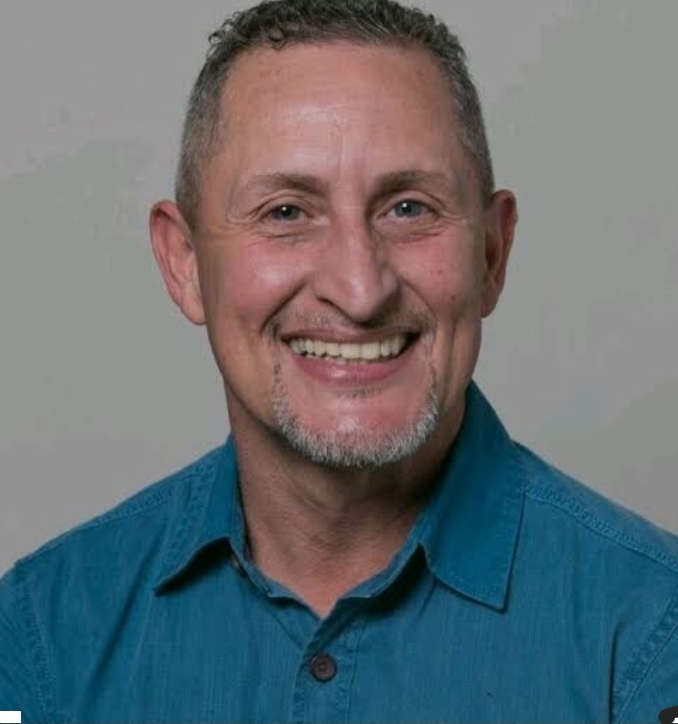
Maximino Rivera López is the President of DPIP
Scroll Down For the English Version
En medio del vértigo tecnológico que define nuestro tiempo, conviene detenernos a preguntar algo esencial: ¿para quién —y para qué— estamos construyendo este futuro digital? La reciente encíclica Magnifica Humanitas del papa León XIV pone el dedo en la llaga al proponer un humanismo ético que subordine la inteligencia artificial y el progreso tecnológico al bien común. Lejos de ser un planteamiento abstracto, esta visión encuentra un eco claro en propuestas políticas concretas como las del Partido Independentista Puertorriqueño (PIP) y su programa Patria Nueva.
No se trata de una coincidencia superficial. Tanto la encíclica como el proyecto político del PIP parten de una misma intuición moral: el ser humano no puede reducirse a una variable económica ni a un dato dentro de un sistema. Hoy, cuando las grandes plataformas tecnológicas acumulan poder sin precedentes, hablar de “colonialismo digital” ya no es una metáfora exagerada. Es una realidad en la que unos pocos deciden cómo circula la información, cómo se distribuyen las oportunidades y, en muchos casos, cómo se configuran nuestras propias percepciones.
Frente a eso, la respuesta no puede ser la resignación. El PIP propone medidas concretas —como una Carta de Derechos Digitales y el acceso universal al Internet— que buscan democratizar el espacio digital y evitar que la tecnología profundice las desigualdades existentes. Es, en el fondo, una manera de afirmar que los derechos humanos no se detienen en la frontera de la pantalla.
Pero el desafío no es solo estructural; también es profundamente humano. El papa advierte sobre el impacto de los algoritmos en la niñez y lanza una frase que resuena más allá de cualquier credo: la pantalla no puede reemplazar el abrazo. En una época donde todo parece optimizarse para la eficiencia, recordar eso es casi un acto de resistencia. En esa misma línea, el PIP insiste en que la educación no debe limitarse a producir trabajadores funcionales, sino ciudadanos críticos, con sentido ético y conciencia social.
También hay una preocupación compartida por quienes suelen quedar fuera del foco: los adultos mayores, muchas veces invisibilizados en una cultura que mide el valor en términos de productividad. En una sociedad cada vez más digitalizada, el riesgo no es solo quedarse atrás tecnológicamente, sino ser descartado simbólicamente.
Al final, lo que está en juego no es la tecnología en sí, sino el marco de valores que la guía. “Desarmar” la inteligencia artificial, como propone León XIV, no implica frenarla, sino liberarla de las lógicas de dominación y exclusión que hoy la atraviesan. En ese sentido, el proyecto de Patria Nueva no solo dialoga con ese llamado: lo traduce en propuestas políticas concretas.
Porque si algo debería estar claro a estas alturas es que el progreso, por sí solo, no garantiza justicia. Y que sin dignidad humana en el centro, cualquier avance —por impresionante que parezca— se queda, inevitablemente, incompleto.
English Version
Ethical Humanism and la Patria Nueva in the Digital Age*
In the midst of the technological vertigo that defines our era, it is worth pausing to ask something essential: For whom —and for what— are we building this digital future? The recent encyclical Magnifica Humanitas by Pope Leo XIV hits the nail on the head by proposing an ethical humanism that subordinates artificial intelligence and technological progress to the common good. Far from being an abstract approach, this vision finds a clear echo in concrete political proposals such as those of the Puerto Rican Independence Party (PIP) and its program Patria Nueva.
It is not a superficial coincidence. Both the encyclical and the PIP's political project stem from the same moral intuition: the human being cannot be reduced to an economic variable or a data point within a system. Today, when the major technological platforms accumulate unprecedented power, talking about "digital colonialism" is no longer an exaggerated metaphor. It is a reality in which a few decide how information circulates, how opportunities are distributed, and, in many cases, how our own perceptions are shaped.
In the face of that, the response cannot be resignation. The PIP proposes concrete measures—such as a Digital Bill of Rights and universal access to the Internet—that aim to democratize the digital space and prevent technology from deepening existing inequalities. It is, at its core, a way of asserting that human rights do not stop at the edge of the screen.
But the challenge is not only structural; it is also deeply human. The Pope warns about the impact of algorithms on childhood and delivers a phrase that resonates beyond any creed: the screen cannot replace the embrace. In an era where everything seems optimized for efficiency, remembering that, is almost an act of resistance. In that same vein, the PIP insists that education should not be limited to producing functional workers, but rather critical citizens with an ethical sense and social awareness.
There is also a shared concern for those who often remain out of sight: the elderly, who are often made invisible in a culture that measures value in terms of productivity. In an increasingly digitalized society, the risk is not only falling behind technologically but also being symbolically discarded.
In the end, what is at stake is not the technology itself, but the framework of values that guides it. "Disarming" artificial intelligence, as proposed by León XIV, does not mean stopping it, but freeing it from the logics of domination and exclusion that currently permeate it. In that sense, the Patria Nueva project not only engages with that call: it translates it into concrete political proposals.
Because if something should be clear by now, it is that progress, by itself, does not guaranty justice. And that without human dignity at the center, any progress—no matter how impressive it may seem—inevitably remains incomplete.
*"Patria Nueva" is the name of the political program of the Puerto Rican Independence Party. Patria Nueva literally means new homeland.
-
Decolonize Puerto Rico
Posted by · May 30, 2026 5:45 PM
Decolonize Puerto Rico Now
This was a response from the DPIP Board of Directors to an op-ed piece that appeared in the New York Times in November 4, 2020.
As members of the Puerto Rican diaspora that supports independence for Puerto Rico, we feel compelled to respond to "Make Puerto Rico a State Now", a deeply flawed opinion piece published in this newspaper on November 4, 2020, which, through an abundance of revisionist history and a baffling disregard for basic tenets of applicable U.S. and international law, seeks to make the case for making Puerto Rico a U.S. State.


